The fridge, the canvas tent, the solar panel and the power box are for hire too. Pick the owner's gear when you pay, and arrive with a proper camp.
Four o'clock on a Friday, and you have just reversed onto your stand. Two stands over, the other family got in at two. Their groundsheet is down, the awning is out, there is a string of warm lights running along the side of the trailer, and four chairs are already facing a fire that will be perfect by six. Something hums quietly under their kitchen slide. Their kids put up a little tent of their own and have not been seen since.
You have a cooler bag. The ice gave up somewhere past Bela-Bela, the Coke is warm, and the four of you are going to eat supper sitting in the car, because there is nowhere else to sit.
The gap between those two stands is not money and it is not experience. It is gear. Gear is the strange part of camping: the most expensive thing you will ever buy for it, and the thing that spends the most time in a garage.
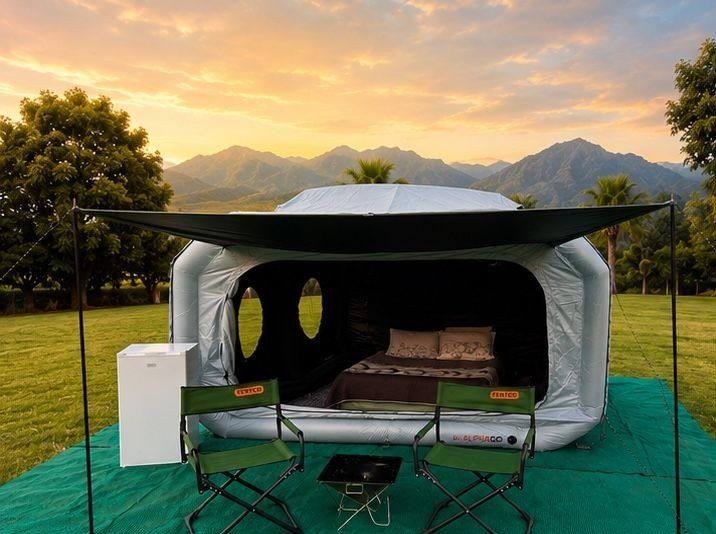
Take the four things that separate a decent weekend from a great one, and price them at South African retail in August 2026.
A shade under R45,000 at the sale prices, closer to R48,000 at the normal ones. Now count your own weekends. If you get away three or four times a year, that is about ten nights of camping, and R4,500 a night.
Which is not quite fair, because gear lasts. Spread it over five good years and it comes down to R900 a night. Still R900 a night, for equipment that spends the other 355 nights of the year taking up space next to the lawnmower.
"Nobody actually wants a camping fridge," says JP Voogt, who started Kampi in 2021. "They want a cold drink on the third afternoon. Those are very different purchases, and only one of them costs sixteen thousand rand."
Some owners on Kampi have started hiring out their own gear alongside the camper. Not rental stock: the actual fridge and the actual tent they take on their own trips.
It works like this. On a listing where the owner has added gear, you will see an extras section on the listing page showing what is available and what it costs, either per day or as a flat rate for the trip. You do not decide anything there. You send your booking request as normal, and on most Kampi campers nothing is charged until the owner accepts your dates.
Once the owner says yes and you go through to pay, the extras come up again. You tick what you want, and the screen shows you the gear, the number of days, the service fee and the total before you confirm anything. Nothing lands on your bill unless you put it there. If you would rather not take the fridge, do not tick the fridge.
If the difference between a request and a confirmed booking is new to you, we wrote a short explainer on how the two differ, and a separate piece on why the number on the screen is the number you pay.
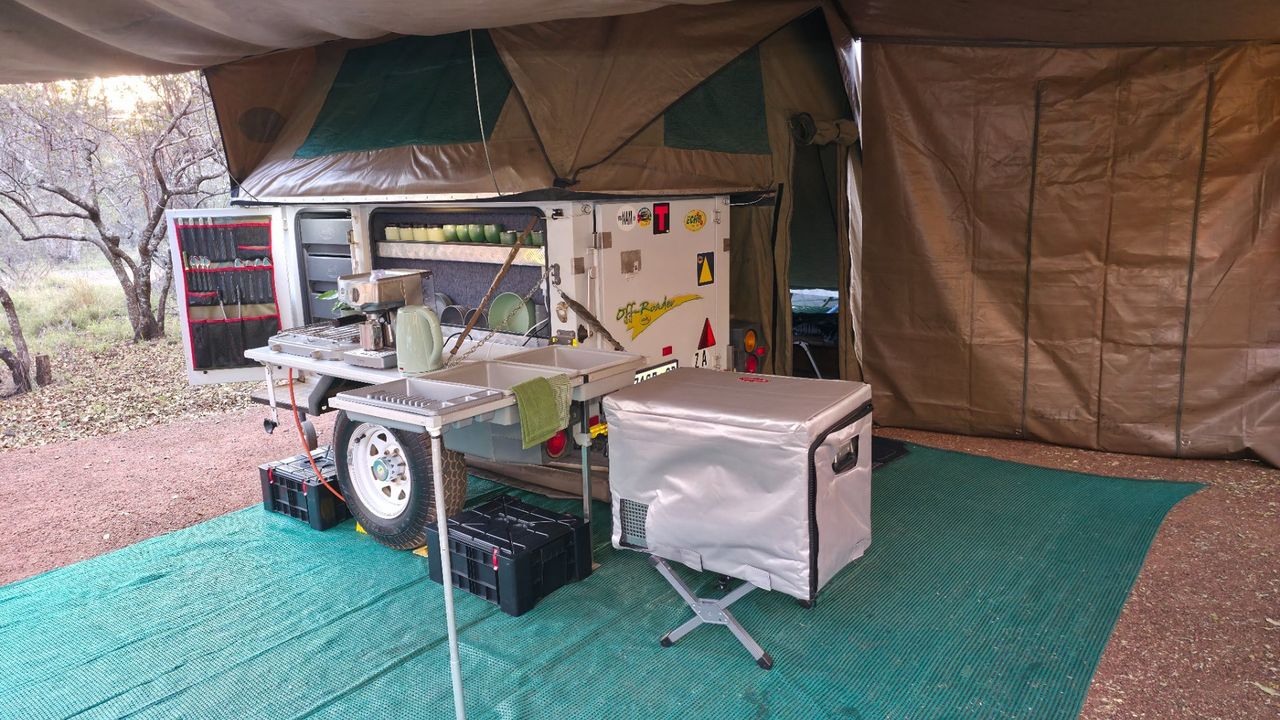
If you hire one thing, hire this. A 12V compressor fridge is the single upgrade that changes how a trip feels, because it removes the daily ice run and the constant triage of what is still safe to eat. Milk on day five. Meat that has not been swimming.
On Kampi, owners are listing fridges from around R100 a day for a 50L unit up to R250 a day for a National Luna, and some price the whole trip flat at R350 to R500. Against R16,350 to own one, a five night trip with a good fridge on it runs you somewhere between R500 and R1,250.
Size it for the trip, not for the shop. A 40L or 50L is plenty for two people over a weekend. Four people for a week want 60L or more, and a dual zone unit if you are freezing anything. Before you tick it, read our guide to camper power, batteries and fridges, because a fridge is only as good as the battery behind it. A 60L fridge pulls 20 to 30 amp hours a day in typical summer conditions, and a 100Ah AGM battery gives you about 50 usable amp hours. The arithmetic matters more than the brand.
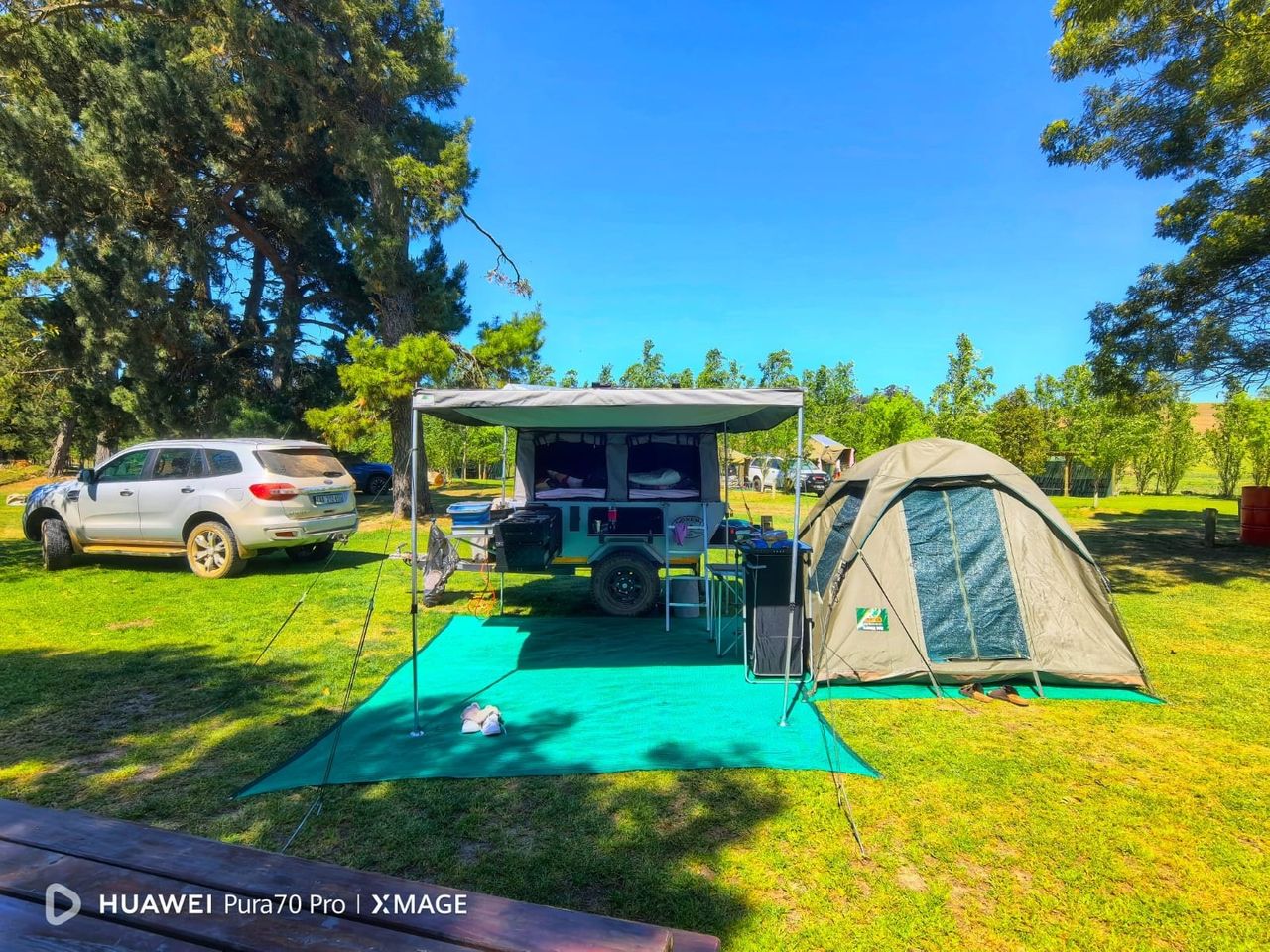
A camper sleeps who it sleeps. The moment you add a teenager, a friend of a teenager, or your mother in law, you need a second room. A canvas tent is also where the muddy boots and the wet towels live, which is the real reason experienced campers pitch one even when everybody fits.
Kampi owners list tents from about R80 a day for a Tentco bow tent to R600 a day for a four sleeper, with some priced flat for the trip at R300 to R1,200. Canvas is the thing to look for: it breathes, it handles a Highveld thunderstorm, and it does not turn into a sauna at nine in the morning. A Tentco Senior Safari Bow Deluxe is R7,895 to buy.
Ask the owner how long it takes one person to pitch. Setting up an unfamiliar tent in the dark is how relationships get tested.
A foldable panel is the difference between a trip with a deadline and a trip without one. It is the cheapest way to turn three nights off grid into seven, and unlike a roof mounted panel you can leave the camper in the shade and put the panel in the sun, which is worth more than the extra wattage most people shop for.
Owners list panels at roughly R100 to R120 a day, usually 200W to 240W. Buying one costs R4,630 to R5,790, and it weighs about 7.5kg. In good South African sun, 200W puts back more in a day than a single fridge takes out, so nobody has to ration anything. Our power guide has the peak sun hour figures province by province if you want to plan it properly.
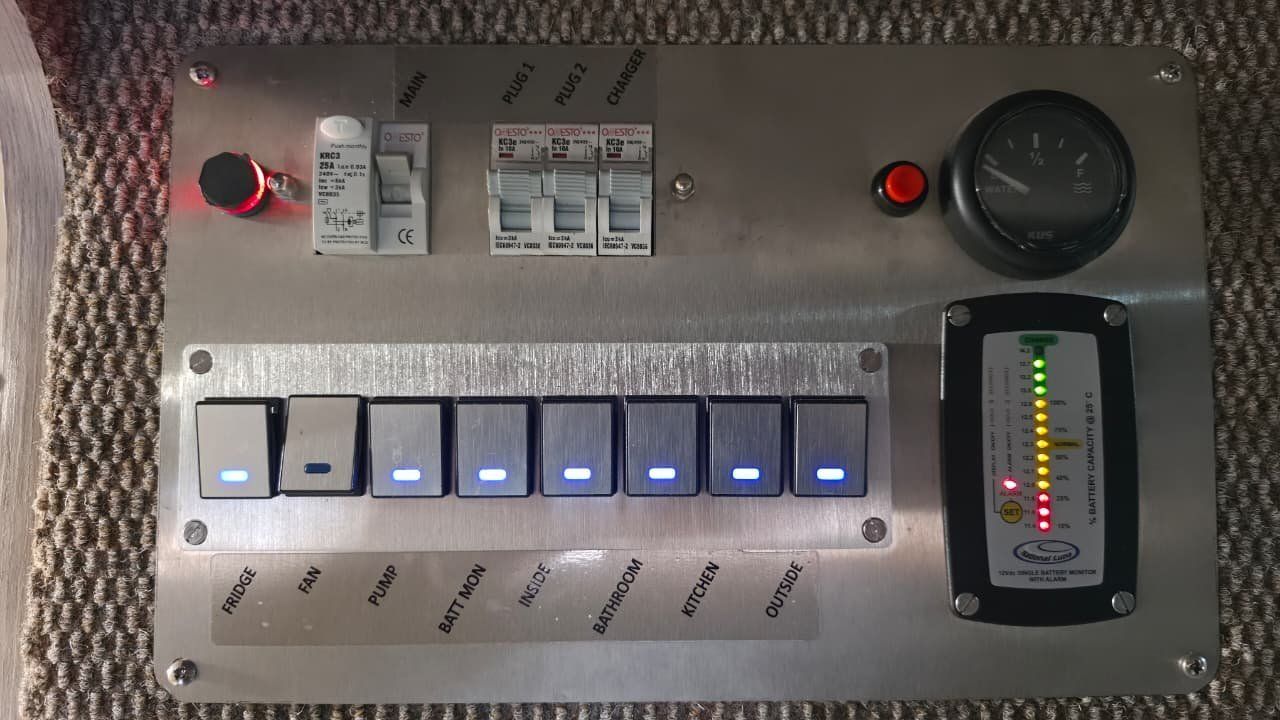
A portable power station is what you hire when somebody in the party needs a plug point and no amount of explaining will change that. A CPAP machine. A laptop for the Sunday night deadline. A camera battery charger, or a breast pump, or a drone.
One owner on Kampi lists a 100Ah 1200W portable inverter at R800 flat for the trip. An EcoFlow Delta 2, which is the unit most South Africans reach for, is R15,499 on special and R17,999 at list.
Two things to check before you rely on one. Ask whether the inverter is pure sine wave, because a modified sine wave unit will slowly cook anything with a compressor or a motor in it. And ask how it recharges: from the campsite plug, from the tow vehicle, or from a solar panel. A power box with no way to refill it is a very expensive battery.
You do not need all four. Work it out from the trip rather than from the catalogue.
The gear belongs to the person you are renting from, so they know it properly. Use that.
"An owner who cannot tell you what their fridge draws has probably never taken it anywhere," says JP. "The good ones will talk your ear off about it. That is exactly who you want to rent from."
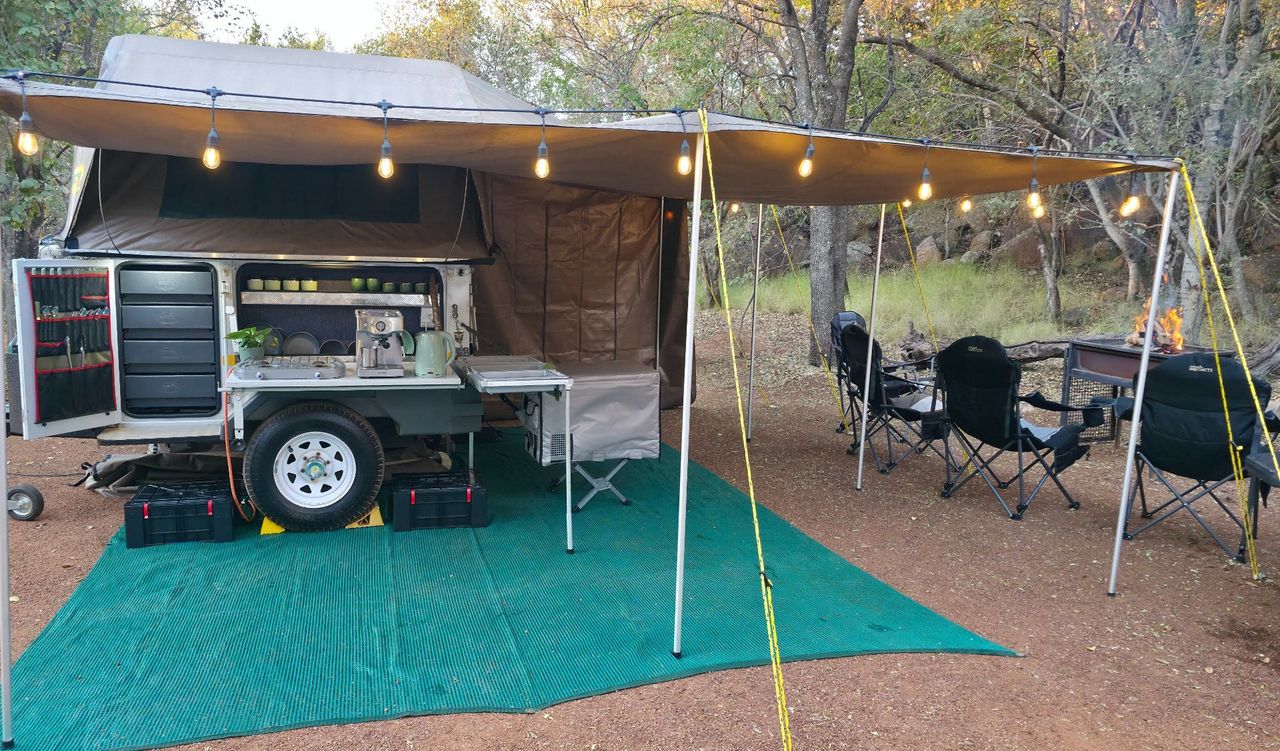
None of this is a Kampi warehouse. Every item is owned by the person who owns the camper, and it is listed by them, priced by them and handed over by them. That is why the fridge is usually already cold when you collect it and why the tent has all its pegs: it is their own kit, and they are taking it camping next month.
Which is worth saying plainly for the other half of the people reading this. If you have a camper listed on Kampi and there is a fridge, a tent, a panel or a power box sitting in your garage that goes out three weekends a year, it can go out with the trailer instead. You set the price, you decide whether it goes with every camper you own or only one, and it is added to bookings you have already approved. Owners manage it from the equipment section of the owner dashboard, and if you have not listed a camper yet, start here.
"Most people's camping gear is a hobby that costs them money," says JP. "The moment it goes out with the trailer, it is an asset. Same gear. It just stopped sitting still."
Not every camper on Kampi has gear attached to it yet. The extras section only appears when the owner has actually listed something, so on plenty of listings you will not see one at all. There are 408 campers live on the platform right now and the number carrying gear is still small, which means it is worth checking the listing page before you get attached to the idea of a fridge.
Ask anyway. A message to the owner asking whether they have a fridge they would hire out costs you nothing, and it tells them there is demand for something sitting in their garage.
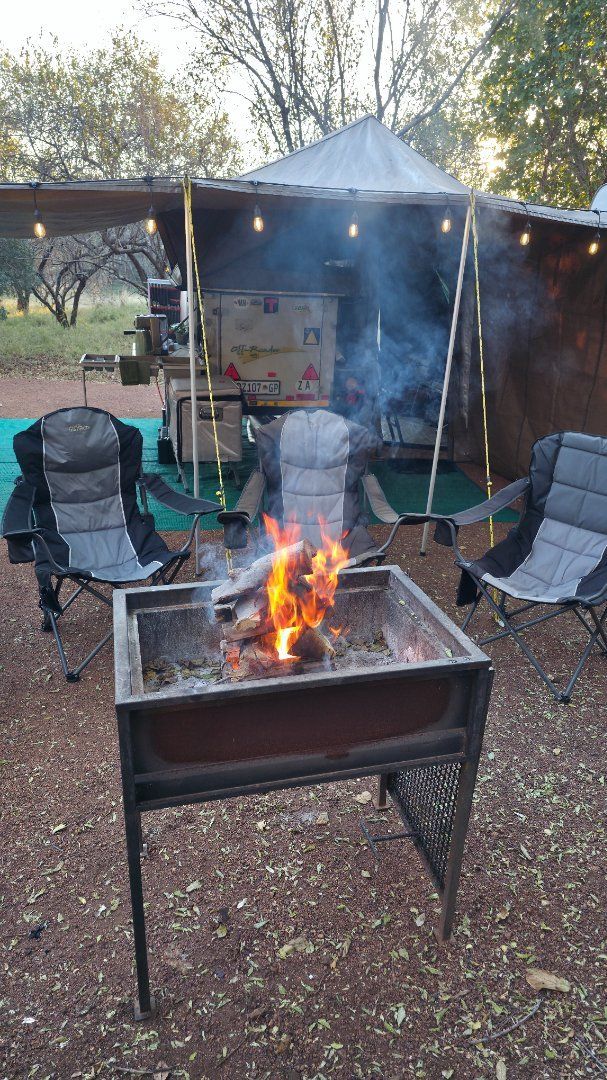
You do not have to decide about any of the gear today. On most Kampi campers you send a request first, the owner has three days to accept, and nothing is charged until they do. The extras come up afterwards, at the payment step, which means the fridge question can wait until the weekend is actually confirmed.
The spring school holidays open on Heritage Day, Thursday 24 September, and run through to 5 October. The December holidays start on Saturday 12 December. Those are the weekends that go first, and they go earliest in the small towns.
More than 6,200 trips have gone through Kampi so far. Have a look at what is available, or start with a destination: Kruger, the Garden Route or the Drakensberg. If you do not have a Code EB licence, these campers tow on a Code B.
And if you are still working out whether renting is the right call at all, the renting versus buying comparison has the honest numbers, rent before you buy covers what one trip teaches you, and the 4x4 camper trip checklist and departure checklist cover everything you still need to pack yourself. For the small stuff that makes a camp work, our camping hacks piece is worth ten minutes.