How to do your first off-road camping trip in South Africa by renting a camper. Routes, costs, shakedown tips, and what one trip teaches you.
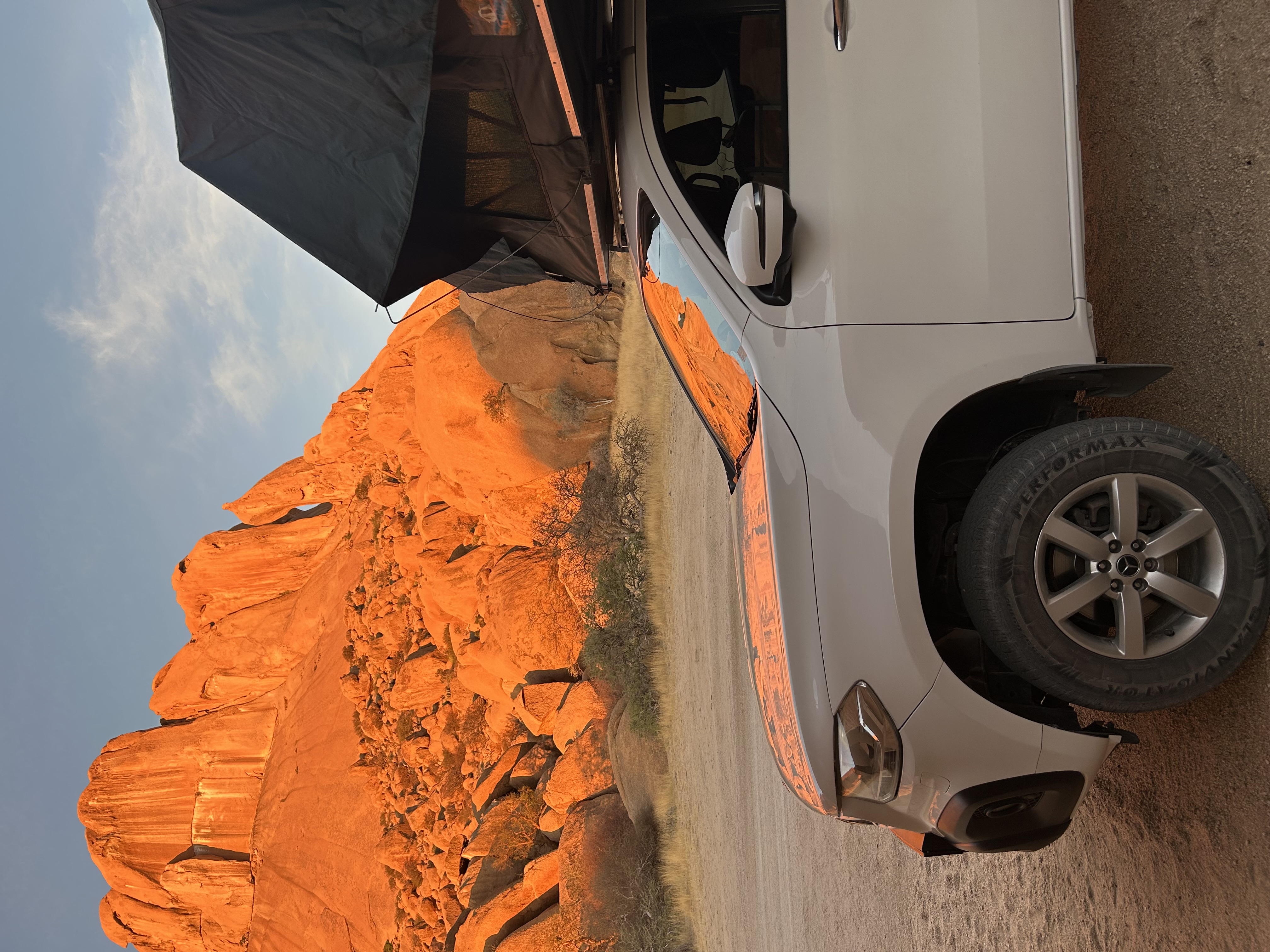
The gear list is longer than it was six months ago. A decent off-road trailer. All-terrain tyres. A fridge compressor. A dual battery system. Roof rack. Recovery gear. A deposit on the right second-hand 4x4. You have been researching the right setup for two years, and the first trip still has not happened.
This is how most South African overlanding stories begin: with a list that keeps growing and a trip that keeps waiting. The problem is not the gear. The problem is the sequence. You do not need to own any of it before you go.
More than 5,800 trips have been completed through Kampi. A significant number of them were first trips, done by people who borrowed someone else's rig, discovered what they actually needed, and then made much better purchasing decisions as a result. This guide is for that trip.
Most South African families who camp at all already have the core kit that transfers directly to a rented camper trip:
What you do not need to bring because the rented camper has it: pots, pans, plates, cutlery, a 2-burner gas stove with cylinder, a 100-150L fresh water tank, LED lighting, solar panel and leisure battery, and usually a fridge between 35 and 55 litres. Some listings include bedding. Always confirm what is included when you contact the owner.
The single most common first-timer mistake is planning too much distance per day. Experienced overlanders routinely warn that gravel routes take twice as long as the Google Maps estimate. Plan 150-200 km per day on gravel with a trailer, not the 400 km that looks manageable on a map at home.
For a first trip, the destination should be a place that introduces real bush without punishing inexperience. These three work well:
Big 5, malaria-free, accessible on good gravel with any high-clearance vehicle. Manyane and Bakgatla camps have powered and unpowered campsites with modern ablutions and braai facilities. Game viewing in recent seasons has been excellent, with close-up rhino and elephant encounters common. This is a genuine bush experience without the logistical complexity of remote overlanding.
The only Big 5 reserve inside Gauteng. A self-drive route with numbered markers, bumpy tracks that are rough enough to feel like an off-road trip, and good game density. Ideal as a shakedown-plus-game-viewing combination in a single weekend. The short distance from home means any equipment problem is fixable quickly.
Mountain gravel passes, San rock art, dramatic rock formations. The most commonly recommended beginner destination on SA forums for good reason: genuine terrain, multiple established campsites with facilities, and a manageable approach road for any high-clearance vehicle with a trailer. Best visited March to September.
Before you head into the Cederberg or Pilanesberg, spend one night at a campsite within 30-50 km of home. Run every system deliberately: fridge, stove, water pump, shower, interior lighting. Make the gas cylinder connection. Extend the awning. Set up the sleeping area.
This is not overcaution. It is how problems get caught where they are still solvable. A fridge that does not cool correctly, a gas regulator that does not seat, a water pump that will not prime after the trailer sat for two weeks, a rooftop tent that does not latch on first attempt. All of these are 30-minute fixes if you are close to a town. They become a two-day crisis if you are in the bush with no signal on day one of a six-day trip.
Forum members on 4x4community.co.za and the SA overlanding community consistently give the same advice: do a weekend close by first, specifically to find the problems while they are still easy to fix.
Before you collect the trailer, run through these with your own vehicle:
Corrugated gravel is rougher than it looks on YouTube. Sustained corrugations at the wrong speed rattle everything in the trailer and on the tow vehicle. Too slow is very rough; there is usually a speed around 80-90 km/h where the ride smooths out. Check and re-tighten the trailer hitch and wheel nuts after the first 50 km on gravel.
Water goes faster than expected. A family of four using the trailer shower properly drains a 100-litre tank in two to three days. Learn the camp shower (wet down, soap, rinse) rather than standing under a full shower for ten minutes. Know where your next water refill point is before you need it.
Day one takes longer than planned. Setup at the campsite, finding the ablution block, getting the awning deployed, working out the gas connection. All of it takes 45 minutes the first time. Budget a half-day of genuine arrival time before you expect to have the braai lit and the chairs out.
South Africa has excellent overlanding weather across most of the country for most of the year, but altitude changes conditions fast. Wind at camps in the Cederberg and Drakensberg is serious overnight. Roll in the awning before sleeping. Weight down or store camp chairs and anything light.
This is the argument for renting before buying that no YouTube video can make, because it comes from experience.
By the end of a five-day trip you will know exactly how your tow vehicle behaves with a trailer: the sway point, the braking distance, the reversing behaviour, the fuel consumption hit. None of this transfers from theory. By day three you will know which pieces of kitchen gear you used every meal and which ones stayed in the drawer. By the last morning you will know whether the rooftop tent works for your family or whether you want a caravan with standing room.
The 4x4 Community forum gives this advice consistently: "Consider hiring for starters and doing a couple of weekend trips close by to get the hang of it and how well your equipment works for you." The case for renting first is not financial, though the numbers help. A five-day family trip through Kampi (rental, campsite fees, fuel, and food) runs roughly R9,000-R13,000. An entry-level second-hand off-road trailer before you have even touched a towball runs R80,000-R150,000. By the time you add a full camping kit and the vehicle preparation, you are past R300,000 before trip one.
The break-even point for owning versus renting a trailer (ignoring vehicle purchase entirely) is around 15-20 trips at current rental rates. If you do two trips a year, that is seven to ten years of rentals. Most people who buy early discover on trip two that they want a different size or layout.
There are 205 camper listings in Gauteng and surrounding areas alone, starting from around R720 a night for a capable off-road trailer. Search Kampi by location with your departure dates, read the listing descriptions for what is included, and message the owner with your trip plan. Most owners are experienced overlanders and will tell you honestly whether their unit suits your intended route.
Ask about the shakedown night when you collect. Experienced owners will be glad you thought to ask. Request a full systems walkthrough at handover: fridge settings, gas connection, water pump priming, awning deployment, and where the spare tyre wrench lives.
If you are still working out which type of unit to book, the off-road trailer vs caravan guide explains the differences and helps you match the unit to the destination. For what to pack and prepare, the 4x4 camper trip checklist covers the full pre-departure list. And for anyone planning a longer trip with nights away from power hookups, the camper power guide explains what the solar and battery specs in a listing actually mean before you book.