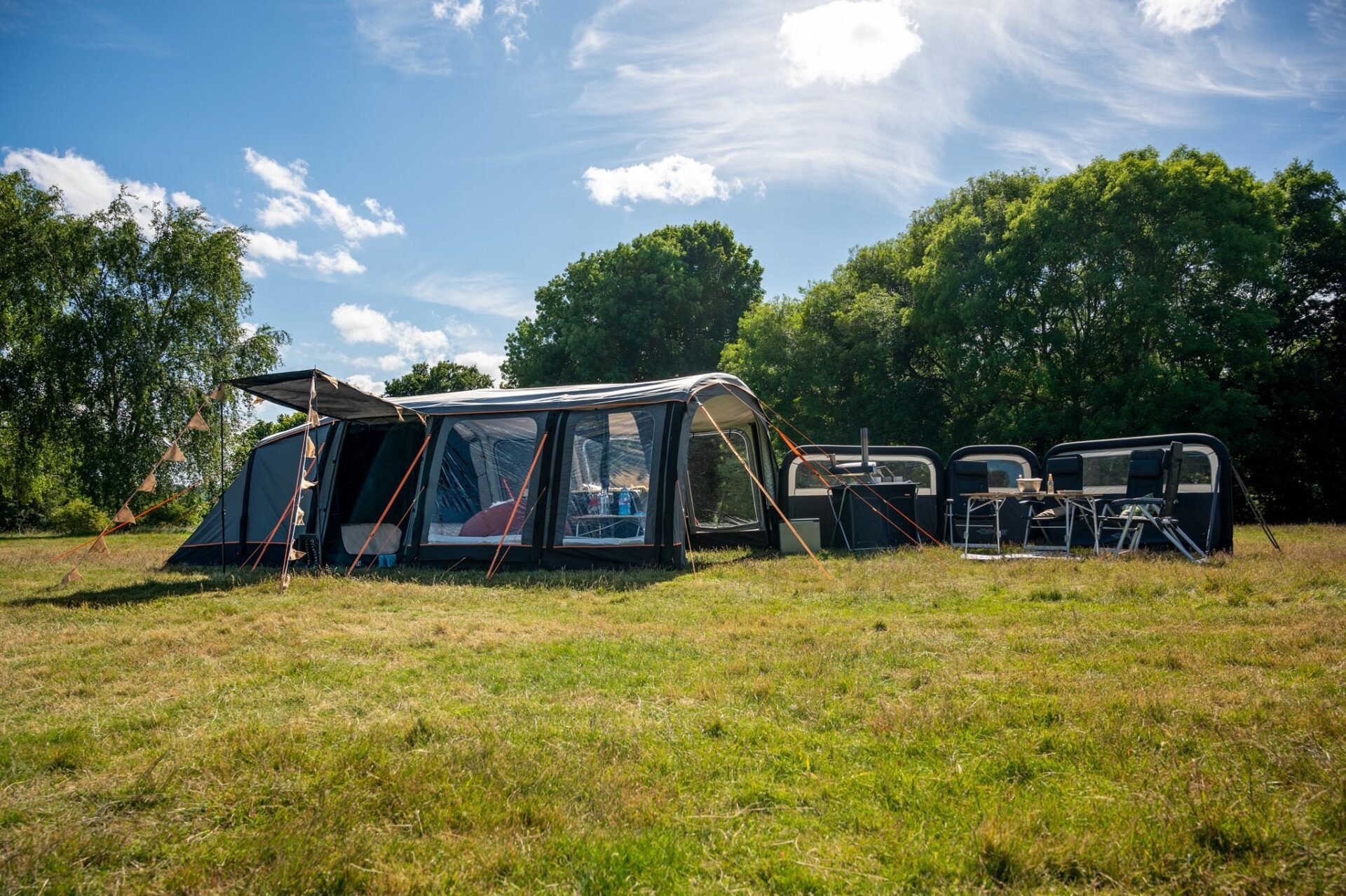
Opus T46 Smart Inflatable Tent
Pretoria
R1061/day
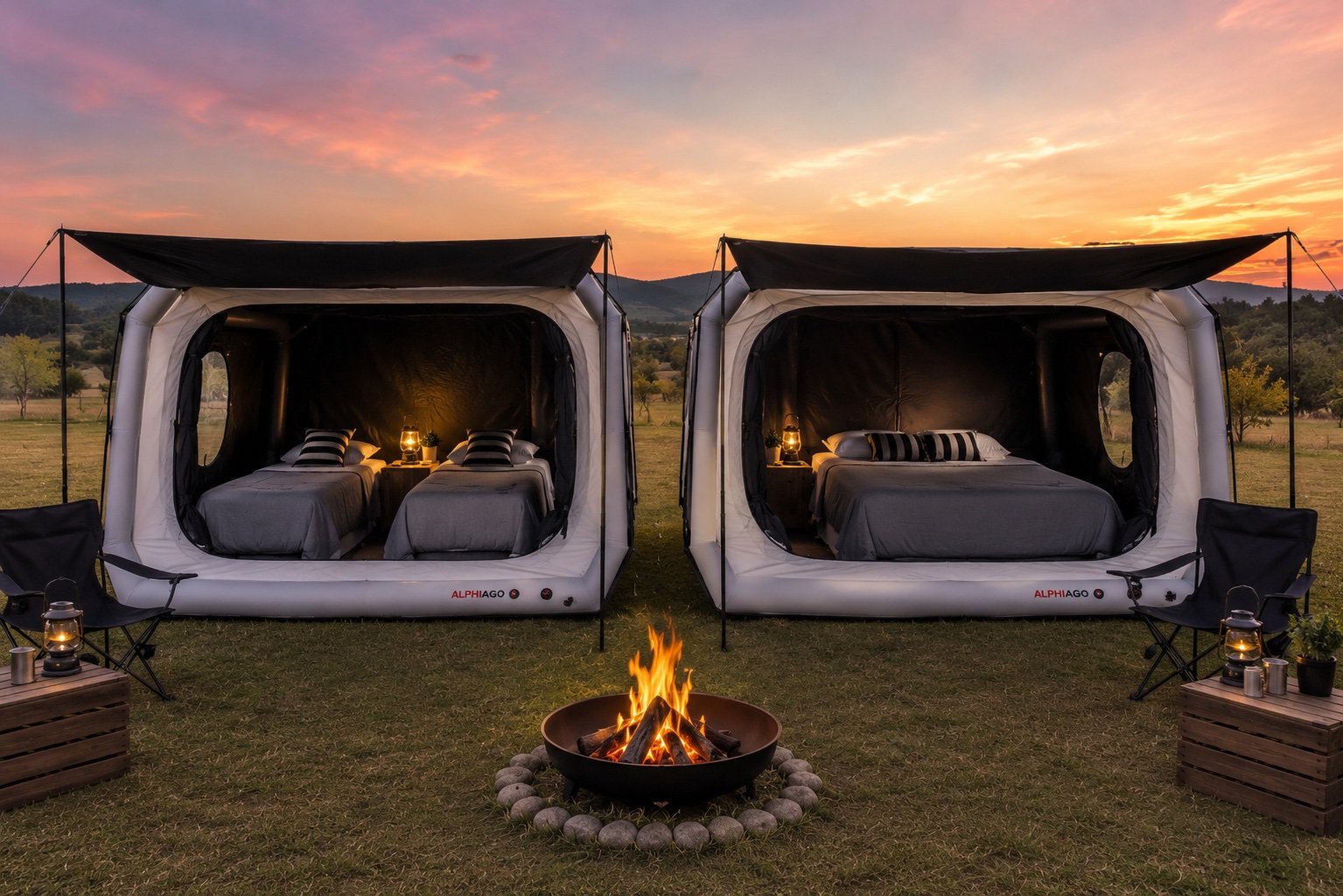
🔆The Twin Roamers🔆
Pretoria
R1061/day

The Golden Roamer 🔆
Pretoria
R648/day
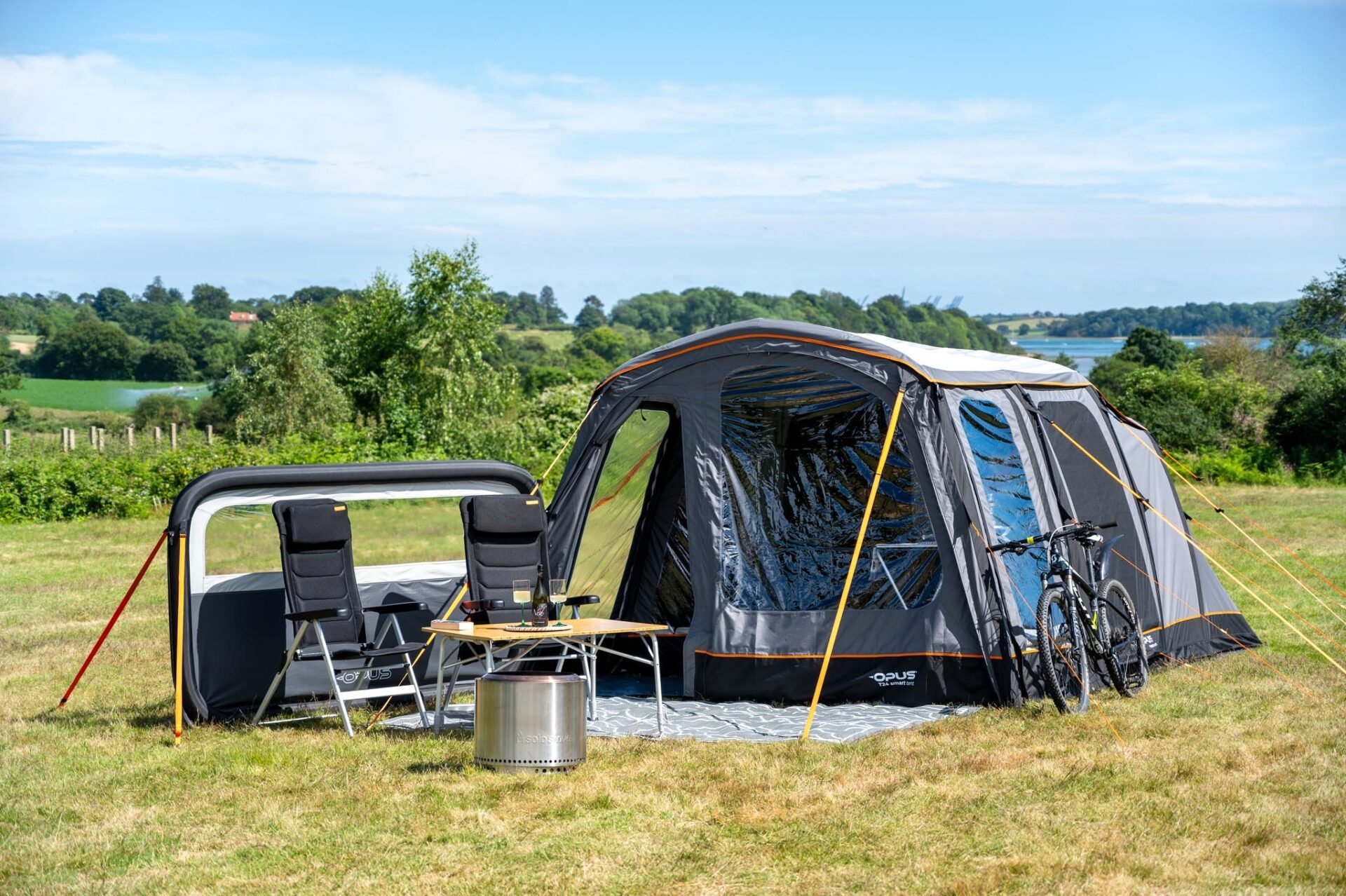
Opus T24 Smart Inflatable Tent
Pretoria
R845/day
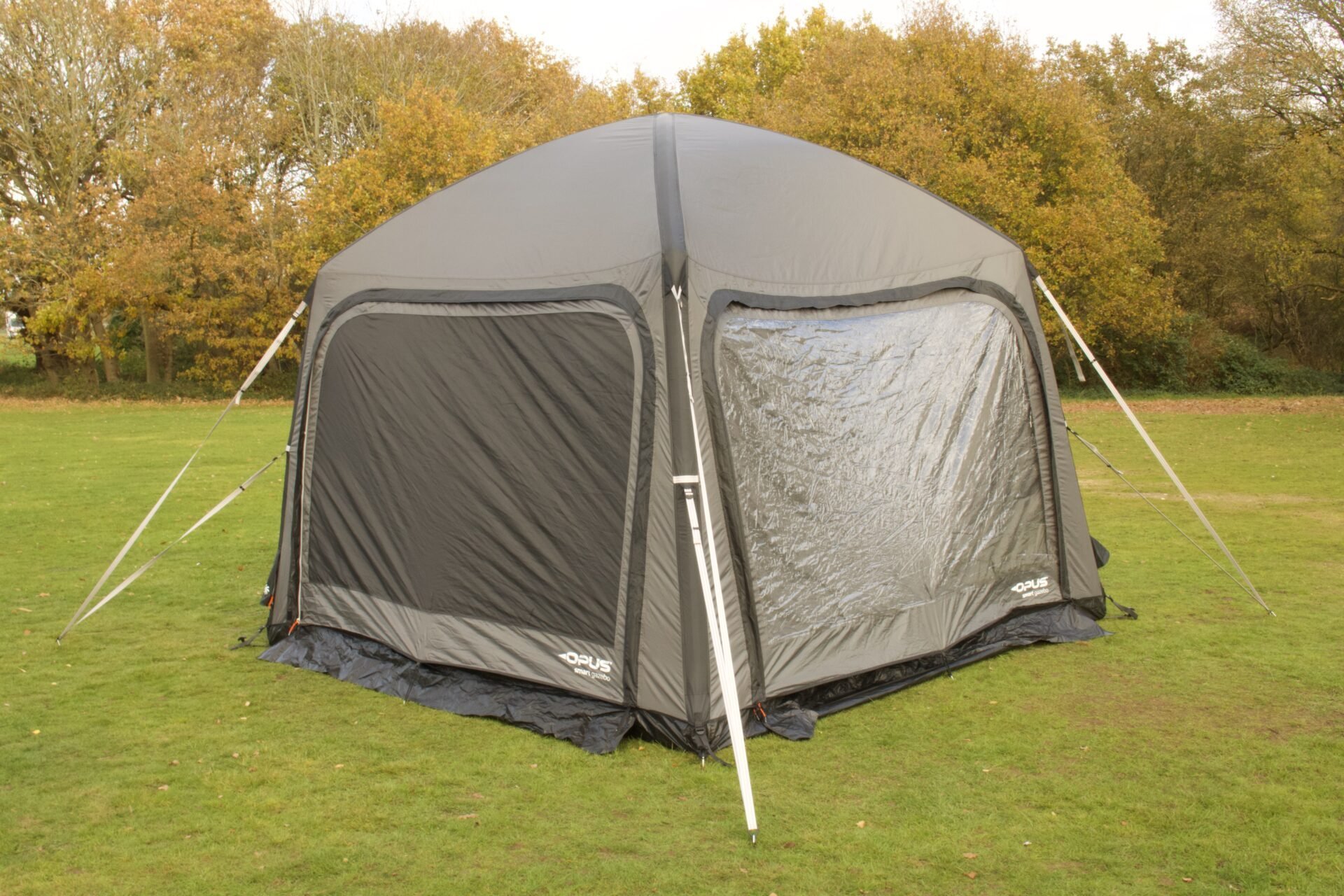
Opus Smart Inflatable Gazebo
Pretoria
R629/day
You get to camp later than you planned. The light is going, the kids are hungry, and the poles are somewhere in the back of the bakkie. An air tent ends that half hour. One pump, four minutes, and you are pouring drinks while the people next to you are still reading instructions.
Ask anyone what they remember about a camping trip and they will tell you about the first night. Not the drive, not the packing. The moment the camp was up, the fire was going, and everybody finally sat down. Everything before that is just work you had to get through. An inflatable air tent removes most of that work. Instead of poles, the frame is a set of sealed beams that you pressurise with a single pump. There is nothing to thread, nothing to snap in the dark, and nothing to lose in the grass. With an electric pump the tent is standing in under four minutes. By hand it takes five to seven. Either way, you are set up before the sun is gone, which is the difference between eating at the fire and eating out of the boot with a torch. Space is the other thing renters notice first. The air tents on Kampi give you 10.5 square metres of floor and over 2 metres of height inside. That is roughly a single garage, and it means you stand up to get dressed instead of crouching. Two proper beds fit with a walkway between them, bags stay on the floor rather than on the bed, and the blacked-out inner keeps the December sun off your face until you are ready for it. Anyone who has been woken at 04:45 by a glowing orange dome tent knows exactly what that is worth. The build is made for South African conditions rather than European campsites. The beams are welded TPU, the same material used in packrafts and river rescue gear, sleeved in tough Oxford fabric so thorns hit the sleeve and not the beam. Each beam sits in its own chamber, so a puncture does not drop the tent, and a repair kit lives in the bag. In wind a pressurised beam flexes and comes back, where a fibreglass pole flexes and then snaps, usually at two in the morning, usually in the rain. Air tents earn their keep in two places. The first is festivals. You arrive on a Thursday afternoon into a field with two thousand other people and your camp is standing before your neighbour has found his mallet, and then you sleep past seven on the Saturday because the walls are dark. The second is base camps: four nights at one site in the Waterberg, Dinokeng or the Drakensberg, where you set up once, live in the space, and pack up once. They also open camping to people the rest of the platform never reached. A tent needs no tow bar, no EB licence, no reversing skills and no roadworthy certificate. If the reason you have never rented a caravan is that you drive a hatchback, this is where you start. Renting first is the sensible order of things. A new Explorer Pro Edition sells for around R28,000. On Kampi you can find out whether you actually like sleeping in one for three nights, and either come home certain or come home relieved. Most garages in this country contain something that was bought at a show and used twice.
An air tent is a tent with inflatable beams instead of poles. You unroll it, connect a pump to one valve, and pressurise the frame to 5 PSI. The beams go rigid and the tent stands itself up in under four minutes with an electric pump, or five to seven minutes by hand.
The air tents listed on Kampi give 10.5 square metres of floor space and over 2 metres of internal height, from an open footprint of 3m x 3.5m. The packed tent weighs 30kg and travels in a bag measuring 97 x 65 x 51cm, which fits in a bakkie load bin or a large boot. An extended awning adds a further 7.5 square metres of shade with a UPF 50+ rating.
The two-sleeper is the obvious choice. One room, one bed, lowest daily rate.
Take the four-sleeper. It is two cubes joined into one shelter, so the second bed sits behind its own zip door instead of a metre from your face. That stops being a luxury the moment one person goes to bed at eight and another is still at the fire at eleven.
If you are changing campsite every night, a rooftop tent or an off-road trailer is usually the better tool. Thirty kilograms is thirty kilograms whether you pitch it once or six times. Air tents win hardest at a base camp.
Ask the owner whether the electric pump is included or only the hand pump, whether the extended awning is in the bag, and whether mattresses and bedding come with it. Confirm the footprint you need at your campsite, including room for guy ropes. Agree up front what happens if it rains on your last day and the tent goes home wet.
Pretoria
R1061/day
Pretoria
R1061/day
Pretoria
R648/day
Pretoria
R845/day
Pretoria
R629/day
Yes. Kampi lists inflatable air tents for rent from private owners, currently collected in Pretoria, Gauteng. Rates start at R540 a day for a two-sleeper with a three-night minimum. Some owners add a once-off cleaning fee or ask for a refundable deposit, shown on the listing before you send a request.
Under four minutes with an electric pump, and five to seven minutes with a hand pump. There are no poles to thread. You unroll the tent, connect the pump to one valve, inflate the frame to 5 PSI, then peg it down and run out the guy ropes.
A pressurised beam flexes under load and returns to shape, where a fibreglass pole flexes and then snaps. The beams are welded TPU inside a protective Oxford sleeve, and each one sits in a separate chamber so a single puncture cannot collapse the tent. Anchoring still matters: guy ropes out, pegs in properly, and screw anchors on hard ground.
The beams are wrapped in a heavy Oxford sleeve, so a thorn hits the sleeve rather than the beam itself. The beam material is the same welded TPU used in packrafts and river rescue gear. Every tent comes with a repair kit, and because the chambers are separate, a patched beam is a five-minute job rather than the end of the trip.
The tents on Kampi are listed as sleeping two and four. The four-sleeper is a two-room setup with a zip door between the bedrooms, which suits a family with children or two couples travelling together. Both give 10.5 square metres of floor and over 2 metres of standing height.
A new inflatable tent of this size sells for around R28,000. Three nights on Kampi costs a fraction of that and tells you whether you like sleeping in one, how it packs into your vehicle, and whether your usual campsites have room for the footprint. If you love it you buy with certainty, and if you do not, you have saved yourself a garage ornament.
No. A tent needs no tow bar, no Code EB licence, no reversing skills and no roadworthy certificate. It travels in the boot or load bin of an ordinary car, which makes it the easiest way onto Kampi if you do not drive a bakkie.