Caravans, diesel and campsites cost more than ever, so is camping still worth it? We did the maths, and the real payoff is what a trip does for your kids.
There is a question doing the rounds in the camping groups this winter, and it is a fair one. With caravans, diesel and campsite fees all climbing, more than one seasoned kamper has asked out loud whether it is still worth the bother. One post in the Kamp-Mal community put it plainly: with everything so expensive, is camping still die moeite werd? More than a hundred people jumped in to argue about it.
It deserves an honest answer, not a sales pitch. So we did the maths, and then we went looking at what the research actually says. The short version: no, camping is not cheap anymore. It probably never will be again. But cheap was never the real reason any of us did it, and once you see what a weekend in the veld does for a child, the price tag starts to look like the least interesting part of the story.
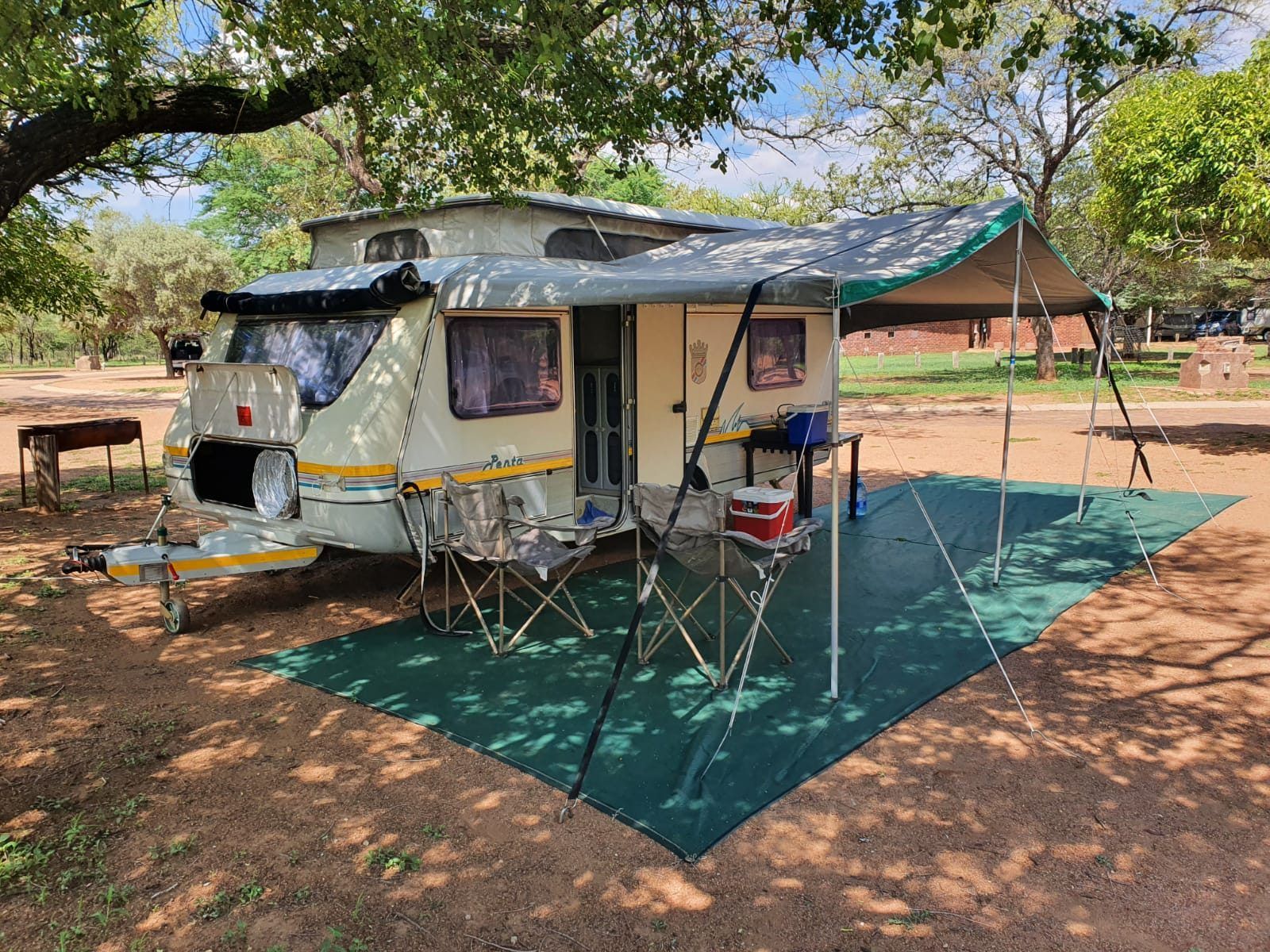
The complaint is real, and pretending otherwise would be insulting. Diesel sat just under R28 a litre in June 2026. A campsite in the Kruger now starts around R450 a night, and that is before the daily conservation fee that catches everyone out: roughly R134 per adult and R67 per child for South African citizens. A stand in the Kgalagadi runs closer to R760. Private resorts swing from about R300 a night in the quiet months to well over R1,000 in peak December. And if you are thinking of buying your own caravan, a decent road-ready family van sits somewhere between R130,000 and R280,000 used, and north of R350,000 new.
Add it up and a long weekend away is not pocket change. So the people in that Facebook thread are not wrong about the numbers.
What the numbers leave out is the comparison that matters. The honest test is not "camping versus staying home," it is "camping versus the other holiday you would actually take."
"Measure a camping trip against a hotel, not against staying on the couch, and the sums look completely different," says JP Voogt, who founded Kampi. "One campsite stand covers your whole family. One hotel room covers your whole family until somebody needs a second room."
Run it: four nights camping in the Kruger for a family of four lands somewhere around R3,400 to R3,800 once you count the stand and the conservation fees. Four nights for that same family in a mid-range hotel, sharing self-catering and space the way a campsite gives it to you for free, is closer to R5,600 to R7,000, and that is one room with no braai, no fire, and a swimming pool you share with three hundred strangers. (Treat those hotel figures as a ballpark, but the gap is consistent.) The stand is usually priced for the whole site, often up to six or eight people, not per head. You cook your own food. The view is included.
So camping in 2026 is not goedkoop. But measured against the holiday it actually replaces, it still wins on value. And that is before we get to the part that does not show up on any invoice.
Psychologists have spent twenty years studying a simple question: what makes people happier, buying things or buying experiences? The answer is consistent enough to bet on.
Thomas Gilovich and his colleagues at Cornell University have shown across a string of studies that experiences make us happier than possessions, and the gap widens over time. A new gadget thrills you for a week and then becomes the normal you stop noticing. A trip does the opposite: the memory mellows, the bad bits turn into the funny bits, and the story gets better every time you tell it around the next fire. Their research also found that just anticipating an experience makes people happier than anticipating a purchase, and that experiences are far less prone to the comparison trap, because nobody measures their holiday against the neighbour's the way they measure cars.
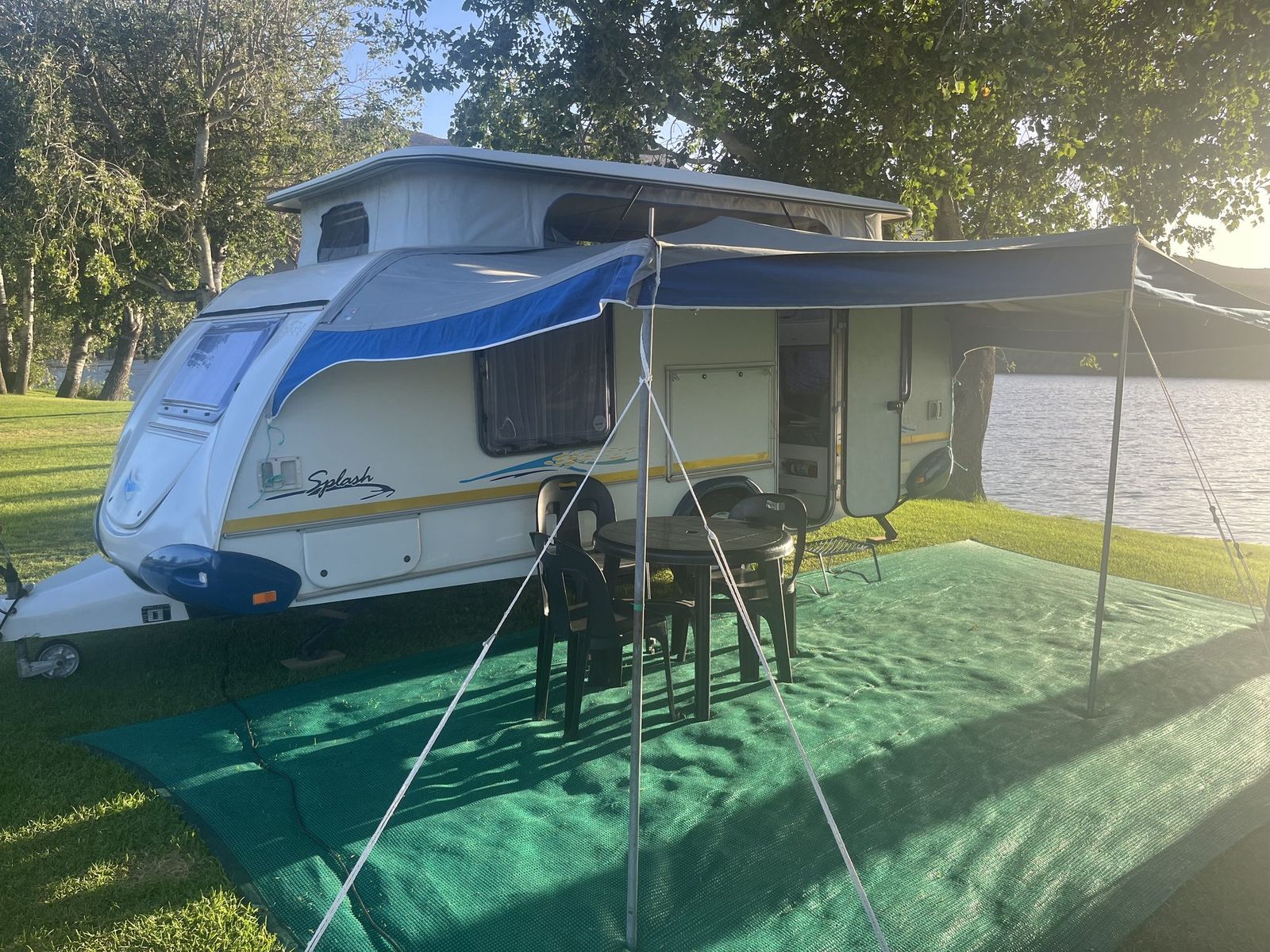
"Nobody frames the receipt from a hotel buffet," JP says. "People frame the photo from the night the power tripped and we ended up cooking boerewors by torchlight. That is the trip the kids talk about for years."
This is the quiet reason the cost argument misses the mark. A gadget fades and a trip grows richer in the retelling, so the diesel is really buying you the one kind of purchase that appreciates. On that scale, a weekend away is some of the best money a family can spend.
Here is where it stops being about money at all.
In 2015, researchers at the University of Plymouth, working with the Camping and Caravanning Club, surveyed camping families about the effect on their children. The parents' answers were striking. More than four in five said camping had a positive effect on their child's schooling. 95% said their kids were simply happier when camping. 98% said it helped them connect with nature, and 93% said it taught skills that would be useful later in life. These are parents' views rather than a controlled experiment, but when that many parents independently notice the same thing, it is worth listening.
The harder science backs up the direction. A study published in the Journal of Attention Disorders found that a twenty-minute walk in a green park sharpened the concentration of children with ADHD, with an effect the researchers measured as comparable in size to a dose of common ADHD medication. It was not a head-to-head drug trial, so read it carefully, but the size of the effect surprised even the people running the study. The theory behind it, known as attention restoration, is straightforward: the constant low-grade focus a city and a screen demand of us drains a real and limited resource, and open natural space is where it refills.
There is more. Children given room for a bit of unstructured, slightly risky outdoor play (climbing the thing, exploring the koppie, building the fort) come out more physically active and more socially confident, according to a large review of the research. Other work links regular time in nature to better self-esteem and resilience in children. The World Health Organization reckons children should average at least an hour of moderate activity a day, a bar that a single afternoon of camp life clears without anyone calling it exercise.
The author Richard Louv gave the flip side a name in his book Last Child in the Woods: "nature deficit disorder," the cost to kids of growing up almost entirely indoors. He is careful to say it is not a medical diagnosis, just a useful way of naming something real. And it is not hard to spot. One survey of 12,000 parents across ten countries found that nearly a third of children now play outside for half an hour or less a day. (That one was commissioned by a soap brand, so treat it as a snapshot rather than gospel, but ask yourself whether it feels wrong.)
"A weekend in the veld teaches a child things no screen and no classroom can," JP says. "How to make a fire. How to be properly bored and then invent something. How to fix the thing that broke because there is no one else to call."
Ask any adult for their happiest childhood memory and you will rarely hear about a possession. You will hear about a place, usually outdoors, usually with the family. One UK poll found that 88% of adults hold positive memories of time spent outside as children. Camping clubs that survey their members year after year keep landing on the same finding: around eight in ten campers say it brings the family closer together, and the single most common reason people give for camping at all is simply to spend proper time with the people they love.
You already know why. A campsite has no Wi-Fi worth fighting over, no separate rooms to scatter into, no television to point everyone in the same direction and away from each other. There is a fire, there are camp chairs in a circle, and there is the long unhurried evening that modern family life almost never allows. Setting up an unfamiliar awning in the dark is also, reliably, how relationships get tested. That counts as bonding too.
You are not buying a holiday. You are building the memories your children will be telling their own kids about in thirty years.
We are spoilt for choice, and the range means there is a trip to suit almost any budget and any vehicle.
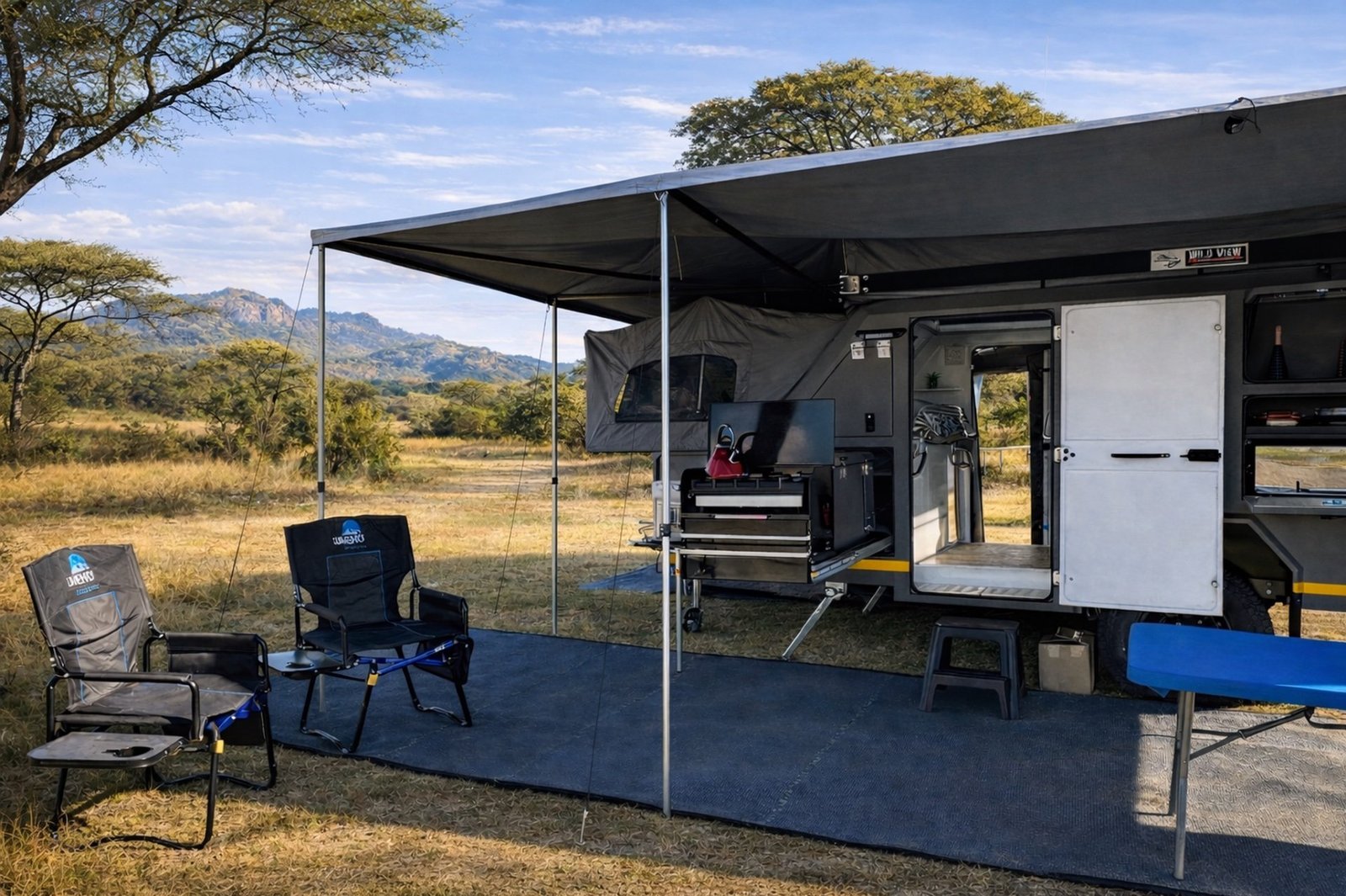
Not sure which van suits which trip? Our guide to the right caravan for South Africa's top destinations matches the rig to the road, and if you are travelling around school holidays, the Easter camping ideas guide is a good place to start planning.
Yes. Just not for the reason the question assumes.
If you score camping purely as "the cheapest possible way to be somewhere," then yes, rising diesel and site fees have eaten into that, and an honest person should admit it. But almost nobody actually camps for that reason. We camp for the experience, and the research is clear that experiences are where lasting happiness lives. We camp for what it does for our children, and the evidence there, from happier kids to sharper focus to skills the classroom cannot teach, is genuinely persuasive. We camp for the fireside evenings that are the memories our kids will carry for life.
The trick is to be smart about the upfront cost, which is the only part that has really run away. You do not need to sink R300,000 into a caravan to find out whether your family takes to it. Rent one for a season first, use it on real trips, and let the experience prove itself before you buy. We wrote the honest version of that decision in renting versus buying a caravan, and the case for trying before committing in why you should rent a camper before you buy one. If you are new to the whole thing, the complete guide to renting a camper in South Africa walks you through it.
Kampi exists for exactly this reason: to make the experience affordable to start without the price of ownership. There are nearly 400 campers listed across the country, owned by 265 South African families who rent them out, and the platform has carried almost 6,000 completed trips at an average rating of 4.88 out of 5 across more than a thousand reviews. You can find a camper near you and have it ready for the next long weekend.
"Buy the memories first and rent the caravan," JP says. "Owning one only makes sense once the trips have proven themselves. The trips are the point. The caravan is just how you get there."
Camping got more expensive. It also stayed, by every measure that actually matters, one of the best things you can spend money on as a family. So pack the chairs, fill the water tank, and go make the memories. The kids are waiting, and the veld is not getting any closer to the couch.